Home Care Support: Personalized Support for Older Adults
Home care solutions are fundamentally important in helping seniors as they navigate daily life. These programs supply personalized assistance adapted for individual needs, promoting independence while guaranteeing safety. Beyond physical tasks, they also provide psychological care, tackling feelings of isolation. Grasping the various aspects of home care can be difficult, yet it is vital for families searching for the best options for their loved ones. The next steps in this process are critical.
Why Aging people Require Home Care Options
As older adults grow older, their ability to perform daily activities often declines, requiring home care solutions. Many individuals face difficulties such as mobility issues, ongoing medical problems, and cognitive decline, rendering routine activities increasingly difficult. Home care support provide vital assistance, allowing seniors to maintain independence while getting personalized assistance tailored to their unique needs.
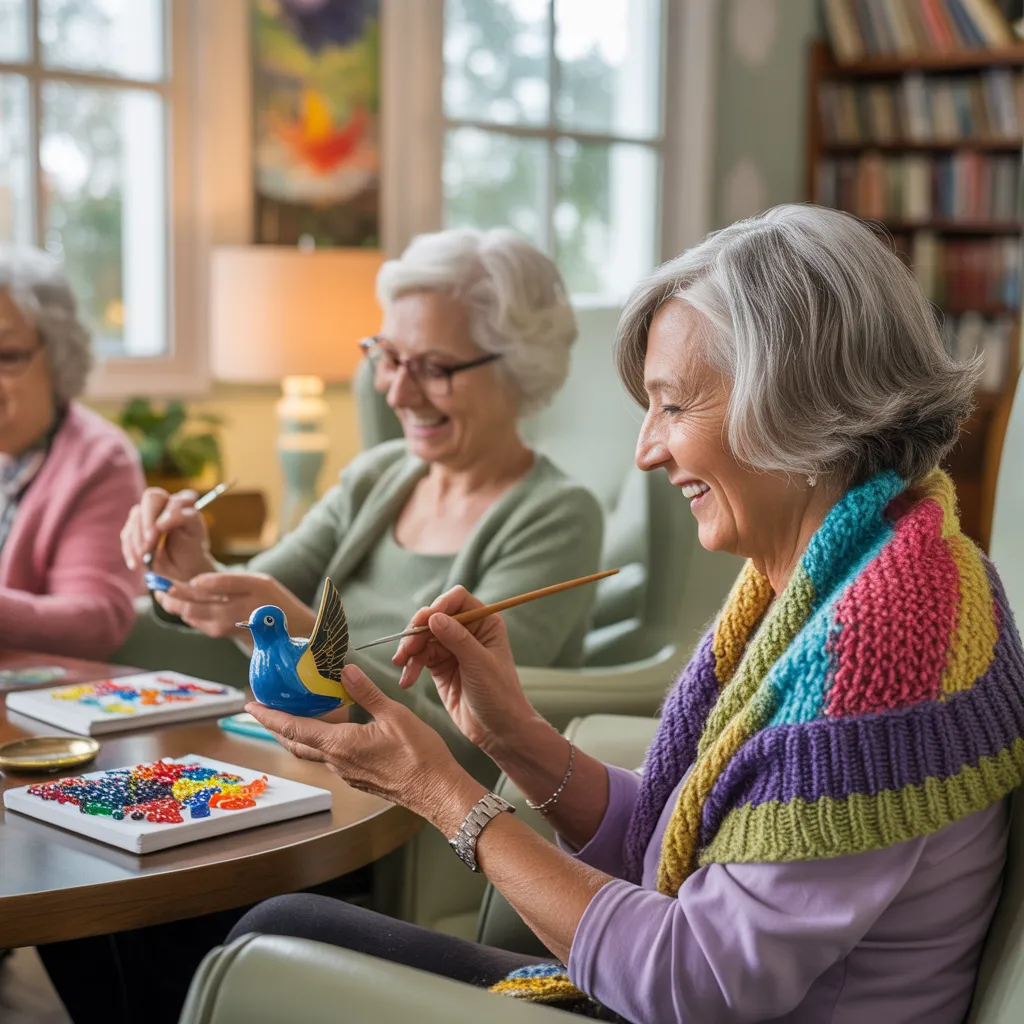
These offerings often include assistance with meal preparation, medication management, and self-care, which can significantly improve the standard of living. Moreover, in-home care supports the emotional well-being of seniors by providing friendship and social interaction, reducing sense of loneliness and solitude.
Moreover, home care solutions are flexible, permitting families to adjust the intensity of care as their loved one's needs shift. This versatility ensures that seniors receive the appropriate assistance, creating a safe and nurturing environment for aging in place. Ultimately, home care options are vital for fostering health and dignity in the later stages of life.
How to Assess Your Family Member's Requirements
How can families accurately pinpoint the particular requirements of their senior family members? Assessing these requirements commences with candid dialogue. Families should engage in straightforward discussions, allowing older individuals to express their preferences and concerns. Watching day-to-day patterns can also provide insights into areas requiring assistance, such as movement limitations or difficulty with household tasks.
Furthermore, households can conduct a thorough evaluation by consulting healthcare providers who can determine health-related needs. This may include visiting the loved one's doctor or reviewing recent medical records. It is essential to consider emotional and social needs, as social interaction and psychological health are critical for seniors.
Finally, families should assess the living space to pinpoint possible risks or modifications required for protection. By integrating these methods, families can develop a comprehensive grasp of their loved one's requirements, resulting in more well-considered choices concerning suitable residential care options.
Essential Types of Home Care Options for Older Adults
Comprehending the specific needs of elderly relatives provides the basis for opting for correct home care packages. Various essential types of home care packages cater to these needs, guaranteeing seniors enjoy the backing necessary for their health and happiness.
Personal care programs focus on support with daily activities such as bathing, dressing, and grooming. Companionship offerings provide emotional support and community interaction, working to reduce emotional isolation. Medication management ensures that seniors adhere to their prescribed regimens, reducing medical complications.
Additionally, home health care furnishes skilled nursing services for those demanding healthcare needs, including dressing changes and mobility training. Respite care allows family caregivers momentary breaks, pledging they can refresh themselves while safeguarding their loved ones continue to receive care. By grasping these service categories, kinship groups can make informed decisions that enhance the life quality for their elderly loved ones.
Comprehending the Advantages of Individualized Aid
Bespoke assistance significantly improves the caliber of care for older adults, addressing their individual requirements and preferences. By adapting services to individual requirements, caregivers can cultivate a feeling of respect and self-determination, which is essential for mental and psychological well-being. This customized approach often produces to enhanced health outcomes, as seniors are increasingly inclined to adhere to care plans that correspond with their ways of living.
Furthermore, individualized support facilitates stronger links between caregivers and seniors, developing trust and open communication. This bond permits caregivers to better understand the emotional and physical challenges encountered by seniors, leading to more effective interventions. Additionally, it helps families to feel more involved in the care process, reducing concerns about their loved ones’ health. Overall, personalized support not only enhances the quality of care but also improves the lives of seniors, giving them with the comfort and security they deserve in their golden years.
Methods for Locate the Correct Home Care Provider for Your Family
Finding the right home care provider can appear daunting, yet it is an important decision for households seeking the best assistance for their elderly family members. To begin, households should evaluate the specific needs of their family members, including medical requirements, assistance with daily living, and companionship. Researching local providers is critical; families can check online reviews, ask for recommendations from acquaintances, or contact community senior organizations for guidance.
Once potential providers are pinpointed, families should set up meetings to gauge the standard of service offered. Inquire about staff qualifications, training, and experience in tackling like circumstances. Besides, it is important to discuss service plans and accommodation in support, making sure they can change to new requirements. Last but not least, validating credentials and documentation provides assurance of accordance with state regulations. By carefully evaluating these aspects, families can make informed choices that fit with their cherished ones' unique needs and expectations.
In-Home Care Pricing Knowledge
Steering through the financial landscape of home care can be challenging for families, as prices can vary greatly based on the services needed, location, and the intensity of care required. On average, hourly prices for home care services lie between $20 to $50, depending on the complication level of care. Basic assistance with daily activities often costs less than specialist medical help, which can raise expenses substantially.
Where you live has a significant impact on determining costs; urban areas often have higher rates compared to rural regions. Additionally, families may encounter different rate options, such as hourly, daily, or live-in rates. Insurance coverage can add complexity to financial planning, as not all policies reimburse home care expenses. Families are encouraged to investigate available financial aid, such as government programs and community resources, which can help reduce some useful resource of the financial burden associated with home care services. Understanding these cost dynamics is essential for informed decision-making.
Tips for Talking With Home Care Professionals
How can households express their requirements effectively to in-home care providers? Transparent dialogue is essential for making sure that older adults receive the appropriate care. To begin, households should specify specific needs and preferences, covering daily routines, medical conditions, and personal interests. Providing detailed information allows caregivers to customize their approach productively.
Second, fostering direct communication is necessary. Families should feel encouraged to ask questions and conveying feedback pertaining to the care being offered. Regular touchpoints can help handle any apprehensions swiftly.
Third, employing written communication, such as care logs or journals, can assist in monitoring changes in behavior or health, which is beneficial for both families and professionals. Finally, fostering a collaborative relationship encourages understanding and mutual respect, leading to better outcomes. By implementing these methods, families can create a nurturing environment that improves the home care process for their family members.
Frequently Asked Questions
How Can I Involve My Elderly Parent in Care Decisions?
Incorporating a older adult in treatment choices can be achieved by encouraging open discussions, carefully hearing to their desires, providing details about options, and honoring their preferences, in the end creating a sense of autonomy and agency.
What Clues Point to That In-home Care Is Required?
Indications that assisted living care is called for include difficulty managing daily activities, recurrent falls, disconnection from others, poorly managed medical conditions, neglect of personal hygiene, and heightened confusion or loss of recall. Family feedback can also spotlight these red flags.
Home Care Services - Can They Be Tailored as Time Progresses?
Yes, in-home care offerings can be adjusted over time. As requirements evolve, care providers can modify the level of support, frequency of visits, and kinds of care provided, ensuring ideal care for people throughout their experience.
How Do I Handle Care Provider Transitions or Changes?
Handling caregiver transitions relies on transparent communication. Creating trust and consistency through slow introductions and detailed care plans can facilitate transitions, ensuring that both seniors and care providers feel at ease and supported throughout the transition.
What Are Widespread Myths Regarding Home Care for Seniors?
Popular misconceptions about in-home care for seniors encompass beliefs that it is only for the dying, overly expensive, or that caregivers are without adequate training. In reality, in-home care offers varied options tailored to individual needs.